

SAFER AI™ – The Moment Where Artificial Intelligence Actually Becomes Dangerous

Artificial intelligence does not become risky when it generates an answer. It becomes risky when a human believes it. That distinction explains nearly every failure we see in AI adoption today. Organizations are investing in policies, guidelines, and training sessions, yet the most common breakdown still occurs in the quietest place, the instant someone reads…

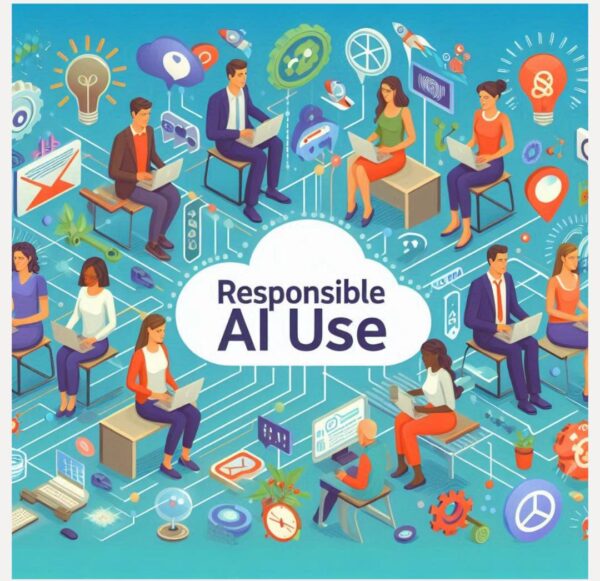
AI Is Making Decisions Inside Your Organization. Who Is Accountable?

Most organizations still describe their use of artificial intelligence as experimental.That word feels safe. It suggests control, distance, and optionality. But the reality is very different! AI is already quietly shaping outcomes across organizations on a scale. It influences who gets hired, who is flagged for review, which transactions move forward, which students are prioritized,…

Responsible Use of AI in the Modern Workplace

Artificial intelligence has become a defining force in today’s workplace. What once required specialized research teams is now available through everyday tools used for writing, analysis, decision support, teaching, hiring, and operations. As AI becomes embedded in how organizations function and how learning is delivered, a critical shift is required, from simply adopting AI to…

3 Must-Ask Questions Before Adopting AI

Artificial Intelligence and blockchain are reshaping how we work, invest, and safeguard information. But hype shouldn’t replace healthy skepticism. Before you integrate AI, whether it’s predicting markets, automating workflows, or verifying transactions, ask yourself these three critical questions: Does it align with your data privacy policies? An AI tool that doesn’t respect your existing privacy…

From Policies to Protocols in Building Ethical Governance Frameworks with AI and Blockchain

In today’s era of rapid digital transformation, organizations are increasingly integrating advanced technologies like Artificial Intelligence (AI) and Blockchain to boost efficiency, transparency, and decision-making. But with innovation comes complexity, particularly when it comes to governance. Traditional governance structures, which rely on policies and human oversight, are no longer sufficient in the age of autonomous…

Combating AI Bias and Ethical Violations with Blockchain Audits

Artificial Intelligence (AI) is dramatically altering industries, from healthcare to finance, but it is not without its challenges. One of the most significant concerns is AI bias, where models unintentionally favor certain groups over others due to flawed data, biased algorithms, or unethical design choices. These biases can lead to discriminatory outcomes, causing financial, social,…

The Future of Mental Health, Using AI Chatbots and Blockchain for Confidential Therapy

In recent years, mental health has become a critical topic of discussion, with individuals and organizations recognizing the importance of accessible, affordable, and secure mental health services. However, the stigma surrounding mental health, coupled with issues like lack of access and data privacy concerns, still deters many people from seeking help. Artificial intelligence (AI) chatbots…